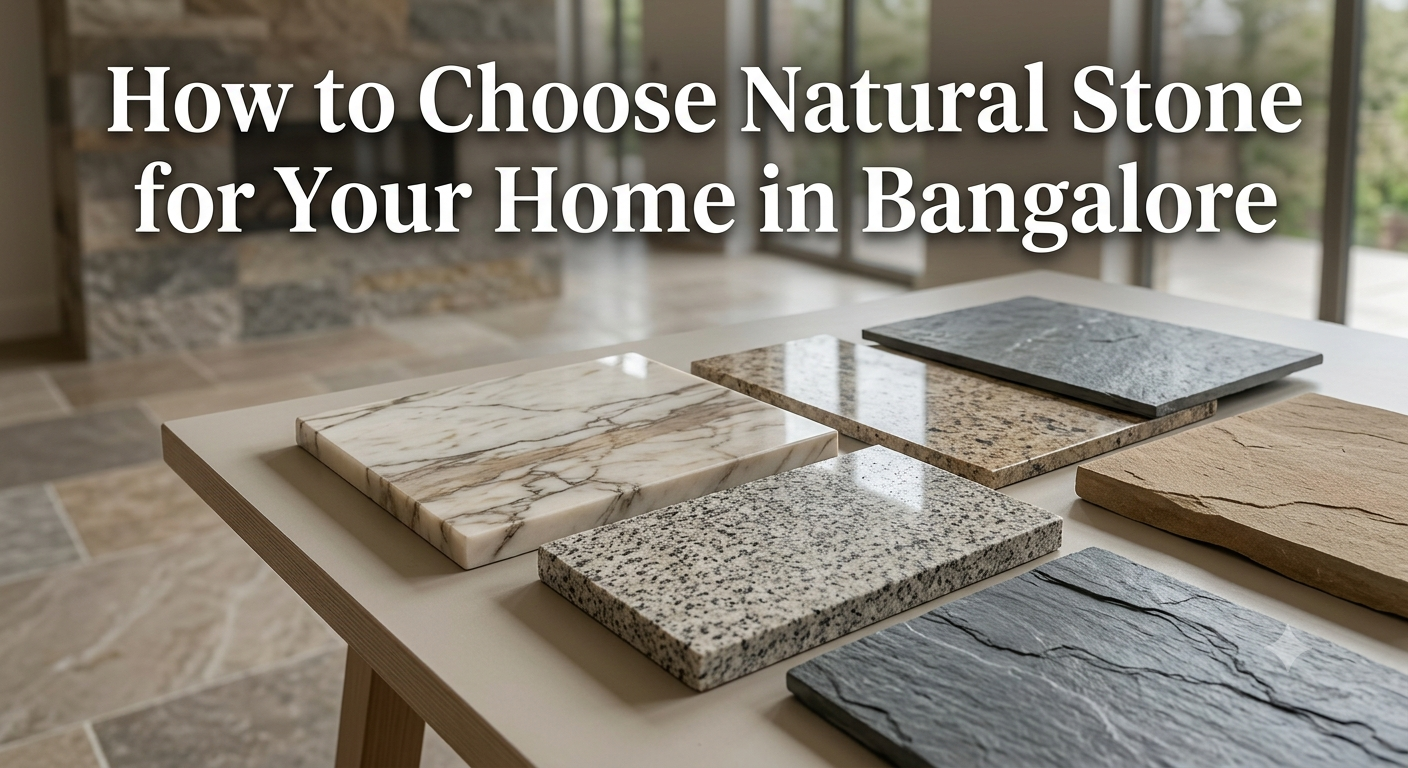
For homeowners, architects, and interior designers in Bangalore, the selection process should start with the surface’s purpose. A stone suitable for an indoor floor may not suit an outdoor pathway or a kitchen countertop.
Maheshwari Impex offers natural stone categories such as marble, granite, slate, sandstone and quartzite. Explore the Maheshwari Impex website to learn more about its product range.
Explore natural stone products at Maheshwari Impex.
1. Identify Where You Plan to Use Natural Stone
First, identify where the stone will be installed. Different applications have different requirements, so this decision helps narrow down suitable materials.
Natural Stone for Flooring
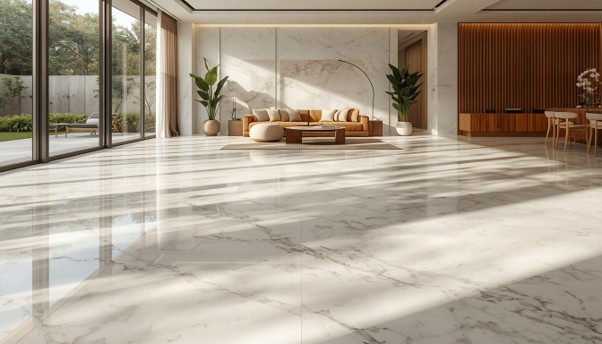
Flooring must suit foot traffic, cleaning routines, and exposure to moisture. Marble and granite are commonly considered for indoor flooring, while other stone varieties may suit particular indoor or outdoor applications.
Before selecting a floor stone, review its finish, maintenance requirements and suitability for the intended use. In areas exposed to water, ask about slip resistance under the conditions in which the floor will be used.
Also consider how the colour and pattern will look across a large area. A small sample may appear different when installed throughout a room.
Natural Stone for Wall Cladding
Natural stone wall cladding can add texture to living rooms, entrance areas, exterior walls and selected architectural features.
Slate, sandstone, granite and laterite are materials worth exploring for suitable wall applications. The final choice depends on the appearance you want, the location and the fixing method.
Explore the natural stone wall cladding collection to learn more about this product category.
Natural Stone for Kitchen Countertops
Kitchen countertops need to suit regular use, cleaning and contact with food ingredients. Granite and quartzite are materials worth comparing for this application.
Marble may appeal to homeowners who prefer prominent natural veining, but it can react with acidic substances such as lemon juice and vinegar. Before selecting any stone, confirm its care requirements and suitability for the proposed use.
Natural Stone for Staircases and Decorative Features
Natural stone may also be considered for staircase treads, foyer surfaces and selected decorative applications.
For stairs and other walking surfaces, pay particular attention to texture, edge details and slip resistance. Confirm the material’s suitability and installation requirements with the supplier and installer.
2. Understand the Different Types of Natural Stone
Each natural stone has its own appearance and practical considerations. Understanding the differences can help you shortlist options for your project.
Marble for Distinctive Patterns
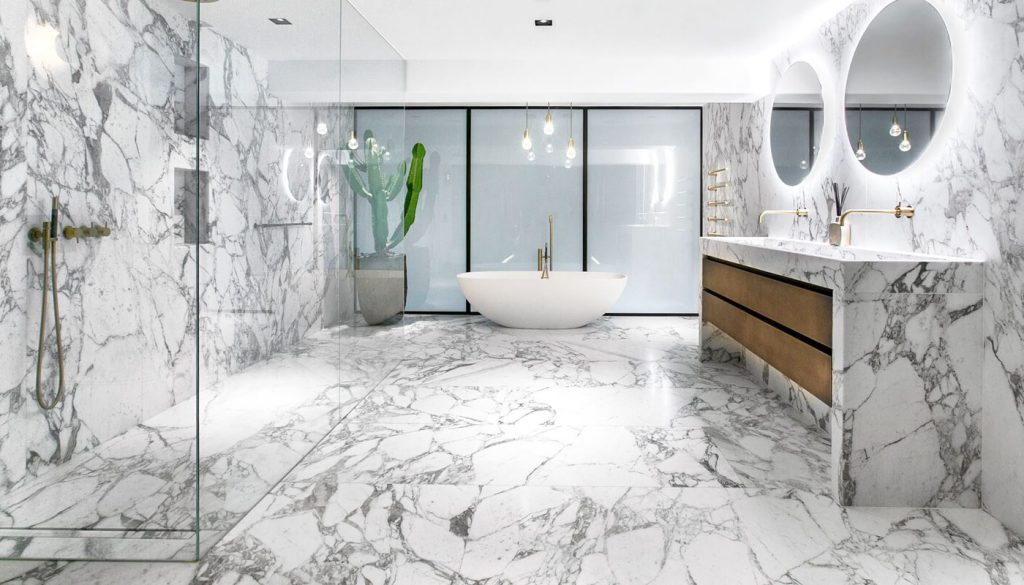
Marble is known for its natural veining, varied colours and decorative appearance. People often choose it for flooring, wall features, staircases, and select interior applications.
Marble varieties can differ considerably in colour, pattern and care requirements. Marble is sensitive to acids and can develop surface marks, so proper cleaning practices are important.
Consider marble when its appearance suits the project, and you are prepared to follow the care instructions for the specific variety and finish.
Explore the marble collection in Bangalore to learn.
Granite for Everyday Surfaces
Granite is commonly considered for kitchen countertops, flooring, staircases and wall applications. Its natural patterns range from relatively uniform to prominently speckled.
The stone variety, finish and intended application all matter. When comparing granite options, inspect the material and ask about the care required for your chosen surface.
Slate for Natural Texture
Slate has a distinctive texture that can add depth to feature walls and other suitable surfaces. Its appearance varies by variety, with colours that may include grey, charcoal, green and brown tones.
Consider slate when you prefer a textured surface over the more uniform look of some polished stones. Confirm that the particular material suits the intended location and use.
Sandstone for Earthy Colours
People often choose sandstone for its warm, earthy appearance. Depending on the variety, it may suit wall cladding, garden features, courtyards, and other architectural applications.
Sandstone varieties differ in porosity and surface characteristics. Don’t assume every variety suits every outdoor or wet location. Confirm the material’s suitability and maintenance requirements before purchasing
Quartzite for Distinctive Natural Patterns
Quartzite can display varied colours, veining and crystalline patterns. It may suit countertops, flooring, wall cladding, and other applications, depending on the specific material.
When comparing quartzite with marble or granite, ask the supplier to confirm the stone’s identity and intended use. Include appearance, finish, care requirements, and fabrication needs in the decision.
3. Compare Colour, Pattern and Texture
Natural stone varies, and those variations are part of its character. These differences can affect the final appearance, especially when you install several slabs or tiles together.
Consider these factors before selecting a material:
- Colour: Decide whether the stone should complement warm, cool, light or dark interiors.
- Pattern: Compare subtle markings with prominent veins or irregular patterns.
- Texture: Consider whether a smooth, matte or more textured surface suits the space.
- Natural variation: Check the expected differences between individual pieces.
- Lighting: View samples under lighting similar to the finished room.
Where possible, inspect actual samples or slabs rather than relying entirely on photographs. Discuss expected variations with the supplier, especially when the project requires a coordinated appearance across a large area.
4. Select the Right Surface Finish
The finish affects the stone’s appearance, feel and suitability for different applications.
Polished Finish
A polished finish has a smooth, reflective appearance that can bring out a stone’s colour and pattern. It may suit decorative surfaces and selected indoor applications.
However, polished surfaces can be slippery when wet. Assess the specific stone and finish carefully before using it in bathrooms, outdoor pathways or other areas exposed to water.
Honed Finish
A honed finish is generally smoother and less reflective than a polished finish. It may suit interiors where you prefer a more understated surface.
Confirm which finishes are available for the selected stone and whether the surface meets the room’s practical needs.
Textured or Natural Finish
Textured finishes can highlight the stone’s natural character and create a more pronounced surface appearance.
They may be considered for feature walls and certain outdoor applications. Suitability depends on the particular stone, surface texture and installation conditions.
Do not assume that a specific finish guarantees slip resistance or weather performance. Confirm these requirements for the intended application.
5. Consider Cleaning and Long-Term Maintenance
Maintenance is an important part of choosing natural stone. A material that looks suitable for a room may not match the owner’s preferred cleaning routine.
Before buying, ask the supplier:
- Does this stone require sealing?
- Which cleaning products are suitable?
- How should spills be cleaned?
- Is the surface sensitive to acidic substances?
- How should the stone be maintained in wet or outdoor areas?
- Are there specific care instructions for the selected finish?
Avoid acidic or harsh cleaning products unless you confirm they’re suitable for the stone. Follow the care guidance for the exact material
Also consider how you’ll use the space. A frequently used kitchen, a formal living room and a decorative feature wall can have different maintenance needs.
6. Assess Your Bangalore Project Requirements
When selecting natural stone for a home in Bangalore, consider the property’s layout, rain exposure, ventilation, room use, and installation conditions.
An exterior wall exposed to rain needs a different assessment from an indoor decorative wall. A kitchen countertop also has different practical requirements from a staircase or garden feature.
Before confirming your selection, discuss these points with the supplier and installation professional:
- The exact surface or area where the stone will be installed.
- The expected foot traffic or daily use.
- Exposure to water, sunlight and cleaning products.
- The preferred colour, pattern and finish.
- The quantity required and expected natural variation.
- Fabrication, fixing and installation requirements.
- Recommended cleaning and maintenance practices.
These checks help you compare materials according to your project’s needs instead of choosing only by appearance.
7. Compare Quotations and Project Requirements
The stone purchase price is only one part of the overall project cost. The final amount may also depend on the selected variety, quantity, finish, cutting requirements, transportation and installation.
When requesting quotations, make sure you are comparing equivalent materials and specifications.
Ask for clarity on:
- The exact stone variety and finish.
- The required quantity and measurements.
- Expected natural colour and pattern variation.
- Cutting or edge-finishing requirements.
- Packing and transportation arrangements.
- The delivery schedule.
- Any work or services included in the quotation.
Do not compare two quotations solely on their total price if the material specifications or scope of work differ. Clear documentation can help prevent misunderstandings during purchasing and installation.
8. Common Mistakes to Avoid When Choosing Natural Stone
Choosing Only by Appearance
A stone may look attractive but still be unsuitable for the intended location. Consider its use, maintenance needs, and surface finish before deciding.
Assuming Every Variety Performs the Same Way
Natural stone varies by type and individual material. Confirm the properties and application suitability of the exact product rather than relying on general assumptions.
Ignoring the Finish
The finish influences both appearance and practical use. Compare available finishes and assess slip resistance in high-traffic areas, especially in wet zones.
Ordering Without Checking Samples
Photographs may not represent the full colour and pattern variation. Review samples or slabs when possible, particularly for larger projects.
Overlooking Installation Requirements
The base, fixing method, joints and surface preparation can affect the finished result. Confirm technical requirements with a qualified installer before ordering.
Why Choose Maheshwari Impex?
Maheshwari Impex is a Bangalore-based business offering natural stone products such as marble, granite, slate, sandstone, and quartzite. Its website is a good starting point for exploring materials for residential and architectural applications.
For a more informed selection, identify your intended use first, compare suitable materials and finishes, and confirm the relevant product details before placing an order.
Visit the Maheshwari Impex website to explore the business and its product categories.
Explore the natural stone collection and enquire about materials suitable for your project.
Conclusion
Choosing natural stone involves balancing appearance, application, maintenance and project requirements. Marble, granite, slate, sandstone, and quartzite each have different characteristics, so the right material depends on where and how you’ll use it.
Start by identifying the intended surface, comparing relevant stone varieties and finishes, reviewing samples, and confirming installation and maintenance requirements. This approach helps homeowners, designers, and builders make informed decisions for projects in Bangalore.