
However, is Kota stone truly outdated, or has its reputation not kept pace with its modern capabilities?
Kota stone remains one of the most practical, durable, and versatile natural stones in India. What has evolved is its finishing, styling, and application. This post addresses common myths about Kota stone in modern homes and shows why it still aligns with current interior design trends.
Ready to bring Kota stone into your modern home? Contact Maheshwari Impex to explore Kota stone options tailored to your modern home.
Myth 1: Kota Stone Is Only for Old-Style or Government Buildings
This is one of the most persistent myths. Since Kota stone has long been used in institutional buildings, courtyards, and older homes, many assume it is unsuitable for other settings.
In reality, Kota stone is selected for these spaces due to its strength, water resistance, and low maintenance, not style limitations. These same qualities now make it a preferred choice for architects and interior designers in contemporary villas, apartments, cafes, and boutique hotels.
- Kota stone has been used in Indian architecture for over 70 years, but usage doesn’t equal outdated design.
- Its popularity in government and institutional spaces was functional, not aesthetic, driven by durability and cost-efficiency.
- The same durability makes it a smart pick for high-footfall modern homes today.
Interior Tip: Pair Kota stone flooring with clean-lined, low-profile furniture and neutral wall tones to instantly shift its look from “traditional courtyard” to “modern minimalist.”
Myth 2: Kota Stone Only Comes in Dull Green or Grey
Many still associate Kota stone only with its classic green shade and assume no other options exist. This limited perception often leads to its exclusion from modern design plans.
In fact, Kota stone is available in a wide range of colours beyond green, including blue-grey, brown, and beige. This variety makes it highly adaptable to diverse colour schemes, from earthy and warm to cool and contemporary. You can explore more variations directly through Maheshwari Impex.
- Blue kota stone and grey-toned variants suit modern, monochrome interior palettes.
- Brown and beige tones work beautifully with warm, earthy contemporary design themes.
- Colour variation allows Kota stone to match almost any modern interior style, not just traditional ones.
Interior Tip: For a modern, gallery-like feel, choose a single-tone kota stone slab in blue-grey and pair it with warm wood accents for contrast.
Myth 3: Kota Stone Looks Rustic and Unfinished
This misconception comes from thinking of kota stone only in its natural, cleft, or rough-finished form, typically used outdoors or in older interiors. However, finishing technology has advanced significantly.
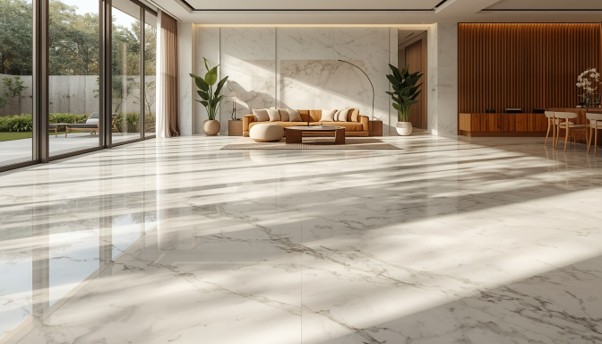
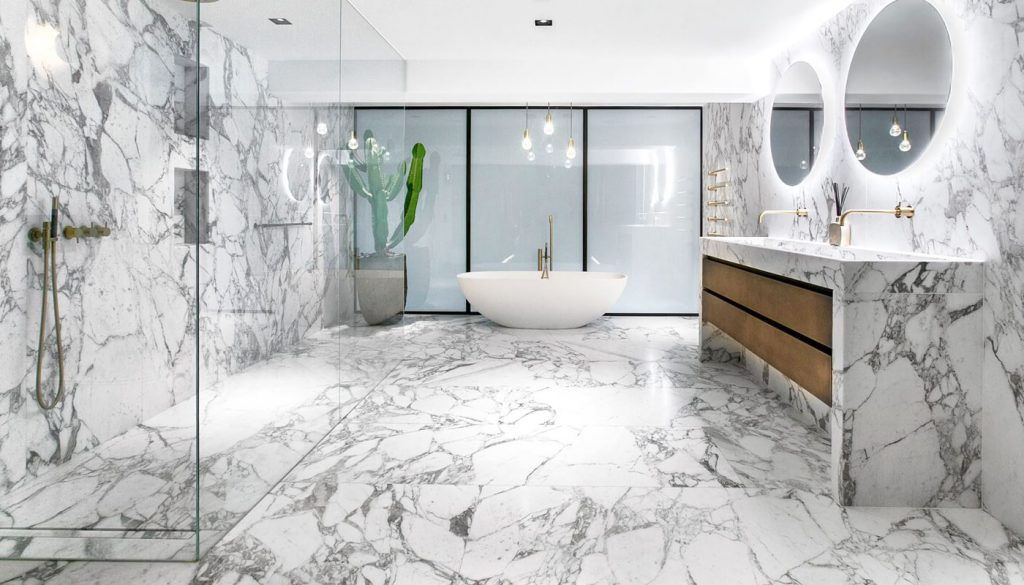
Today, Kota stone is honed to a smooth matte surface or polished to a glossy, reflective finish comparable to marble and granite. This versatility has renewed interest in Kota stone for contemporary interiors, as it now offers the sleek, refined appearance modern homeowners seek.
- Polished Kota stone reflects light and adds a premium, marble-like appearance to living spaces.
- Honed finishes offer a soft, matte look popular in minimalist and Scandinavian-inspired interiors.
- Flamed or textured finishes still exist for outdoor or rustic-themed spaces, offering flexibility across styles.
Interior Tip: A high-polish kota stone floor works exceptionally well in open-plan living and dining areas where natural light needs to bounce and brighten the space.
Myth 4: Modern Design Styles Don’t Suit Kota Stone
Some homeowners believe Kota stone suits only traditional or ethnic interiors and doesn’t complement modern, minimalist, or industrial designs. This is not accurate.
Kota stone’s understated, natural texture complements modern design trends. Minimalist interiors benefit from natural materials with subtle character, and Kota stone provides this without the pronounced veining of marble or the uniform appearance of floor tiles.
- Minimalist interiors benefit from Kota stone’s calm, uniform surface and soft natural tone.
- Industrial-style homes pair well with honed grey or blue Kota stone alongside exposed brick and metal fixtures.
- Japandi and earthy contemporary themes use kota stone’s natural texture as a grounding design element.
Interior Tip: In industrial-style spaces, use large-format kota stone slabs with minimal grout lines to keep the flooring visually seamless and modern.
Myth 5: New Materials Have Made Kota Stone Obsolete
With vitrified tiles, engineered stone, and laminate flooring widely promoted, many assume kota stone is outdated. However, its durability, breathability, and long-term performance set it apart.
Unlike many manufactured alternatives, kota stone is a 100% natural limestone without synthetic resins or coatings. It remains cool underfoot in hot climates, resists scratches and stains, and can last for decades with basic maintenance, a longevity few modern materials offer.
- Kota stone remains naturally cool, making it ideal for India’s warm climate, unlike many tiles that trap heat.
- It resists scratches, cracks, and heavy wear far better than laminate or low-grade vitrified options.
- Being a natural stone, Kota stone ages gracefully rather than looking “dated” the way trend-driven tile patterns often do.
Finishes Comparison: Choosing the Right Kota Stone Look for a Modern Home
| Finish Type | Look & Feel | Best Suited For |
| Natural/Cleft | Textured, rustic surface | Outdoor courtyards, gardens, traditional themes |
| Honed | Smooth, matte, soft sheen | Minimalist, Scandinavian, and Japandi interiors |
| Polished | High-gloss, reflective | Contemporary living rooms, premium modern interiors |
| Flamed | Rough, slip-resistant texture | Outdoor patios, poolside areas, modern industrial exteriors |
Maintenance Tips for Modern Kota Stone Flooring
Maintaining Kota stone’s modern appearance is straightforward:
- Sweep or vacuum regularly to prevent dust and grit from dulling the surface.
- Mop with a mild pH-neutral cleaner; avoid harsh acidic chemicals that can etch the stone.
- Apply a stone sealant every 12–18 months to enhance stain resistance, especially for polished finishes.
- Use doormats at entry points to reduce surface scratching from outdoor grit.
- Address spills promptly, particularly oil or turmeric-based stains in kitchen areas.
Why Choose Maheshwari Impex for Your Kota Stone Flooring
Maheshwari Impex offers Kota stone in a wide range of colours, sizes, and finishes for both traditional and modern interiors. We source and process our stone to meet the quality standards required by contemporary homes and commercial spaces, whether you prefer a matte honed floor or a high-polish finish.
- Wide selection of Kota stone colours and finishes, including polished and honed options for modern interiors
- Consistent slab quality and thickness for smooth, seamless installations
- Guidance on selecting the right finish and pattern based on your interior design style
- Reliable supply for both residential and commercial modern flooring projects
Explore our complete collections directly at Maheshwari Impex to find the ideal fit for your next project.
Conclusion
Kota stone is not outdated; it has been misunderstood. With the right finish, colour, and styling, it integrates seamlessly with current interior design trends and offers durability few modern materials can match.