When selecting kitchen tile colours, consider the existing finishes, available natural light and the atmosphere you want to create. Instead of choosing tiles based on appearance alone, compare different shades and finishes before making a final decision.
Bring your kitchen design together with the right tile colours. Contact Maheshwari Impex to explore suitable options for your space.
How to Choose the Right Kitchen Tile Colour
Start by looking at the permanent elements in your kitchen, such as cabinets, countertops and flooring. These surfaces provide a useful colour reference when selecting new tiles.
Consider the following factors:
- Cabinet colour: Light-coloured cabinets work well with white, beige and grey tiles. Dark cabinets pair well with lighter tiles to create contrast.
- Countertop shade: Choose tiles that complement the colour and pattern of your granite or quartz countertop.
- Kitchen size: Light shades can create a more open appearance, while darker colours can add depth and definition.
- Natural lighting: Observe how sunlight enters the kitchen before selecting a tile shade.
- Interior style: Simple colours suit minimal interiors, while patterned tiles can add character to decorative kitchen designs.
If your cabinets and countertops are already installed, take their colours into account before selecting kitchen wall or floor tiles.
Popular Kitchen Tile Colour Combinations
Different colour combinations can create different visual effects. Here are some options to consider when planning your kitchen interior.
White and Beige Kitchen Tiles
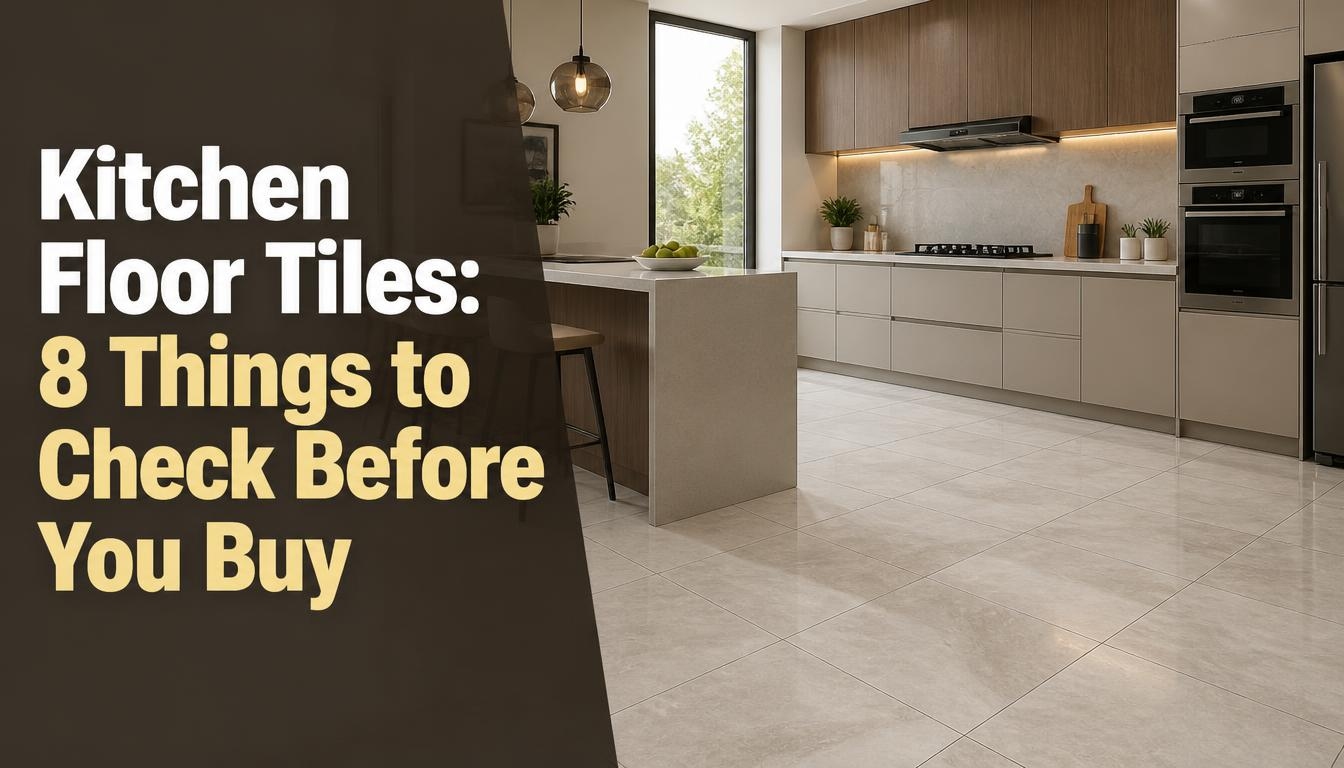
White and beige create a warm, balanced appearance. White tiles can keep the walls looking simple, while beige floor tiles introduce a softer contrast.
This combination works well with wooden cabinets, cream-coloured countertops and neutral kitchen interiors. It is also worth considering if you prefer a design that doesn’t rely on strong colours.
Grey and White Kitchen Tiles
Grey and white suit contemporary kitchen interiors. White wall tiles can create a clean background, while grey floor tiles add contrast.
You can also consider light grey cabinets with white backsplash tiles or a combination of different grey shades. The overall effect depends on the tile finish, cabinet material and lighting.
Black and White Kitchen Tiles
Black and white create a noticeable contrast and can suit modern kitchen designs. White wall tiles paired with darker floor tiles provide a clear visual distinction between surfaces.
If you prefer a more decorative look, consider patterned black-and-white tiles for a selected wall or backsplash. Keep the remaining surfaces relatively simple to maintain balance.
Green and Neutral Kitchen Tiles
Green tiles can introduce colour without making the entire kitchen look overly decorative. Soft green shades work well with white cabinets, wooden finishes and beige countertops.
Use green as an accent colour on the backsplash while keeping the floor and other walls in neutral shades.
Beige and Brown Kitchen Tiles
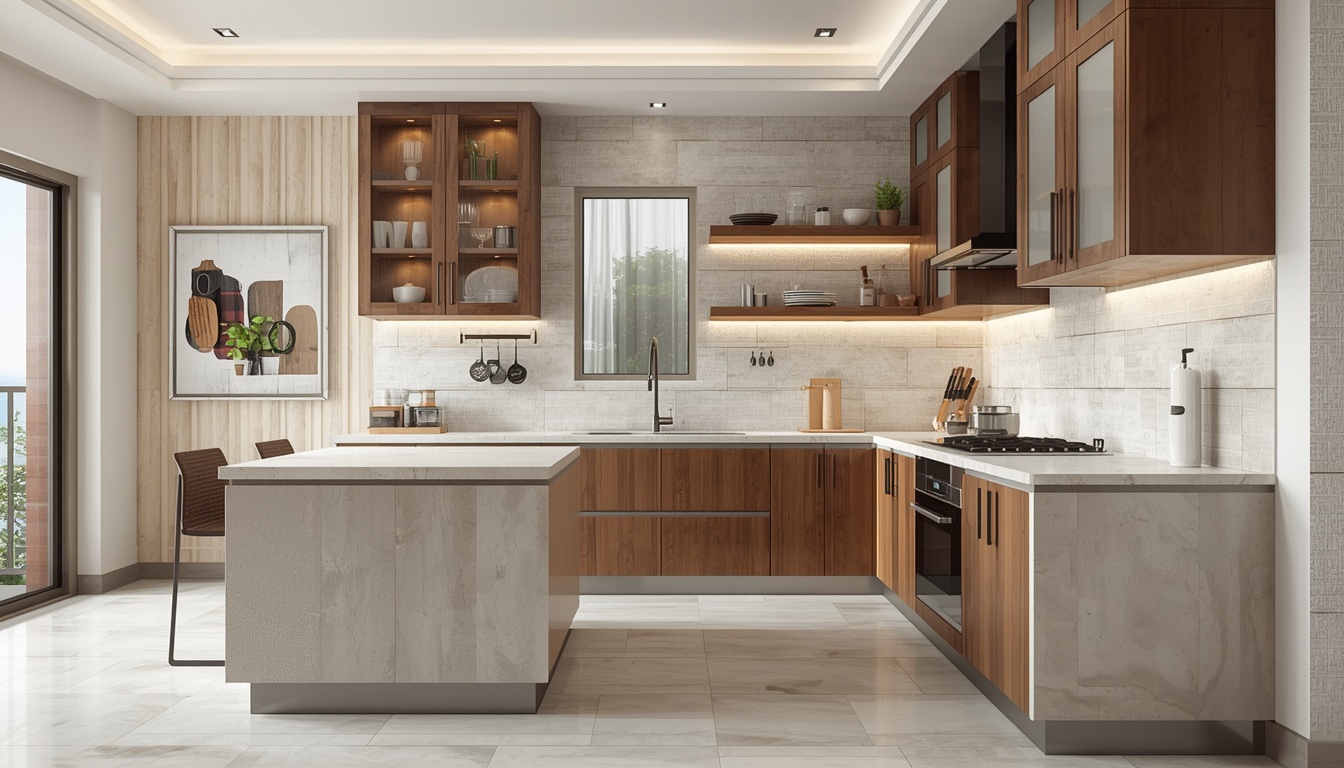
Beige and brown create a warm colour combination that complements wooden cabinets and natural-looking countertops.
Consider lighter beige wall tiles with brown or wood-look floor tiles. This combination works well in kitchens where a warm, natural interior style is preferred.
Kitchen Wall and Floor Tile Colour Combinations
Kitchen wall and floor tiles do not need to have identical colours or patterns. The important point is to make sure that both surfaces complement each other.
Here are some combinations worth considering:
- White wall tiles with grey floor tiles: A simple combination for contemporary kitchens.
- Beige wall tiles with brown floor tiles: Suitable for warm, neutral interiors.
- Patterned wall tiles with plain floor tiles: Helps create a decorative backsplash without making the entire kitchen look busy.
- Light wall tiles with dark floor tiles: Creates contrast between the upper and lower surfaces.
- Subway wall tiles with wooden-look floor tiles: Combines a simple wall design with a warmer flooring appearance.
When selecting both surfaces, compare the undertones of the colours. For example, warm beige tiles may not coordinate as naturally with cool grey finishes as they do with brown or cream shades.
How Tile Patterns and Finishes Affect Kitchen Colours
Colour is only one part of kitchen tile selection. Patterns, textures and surface finishes also influence how the final design looks.
Some tile styles to consider include:
Subway Tiles
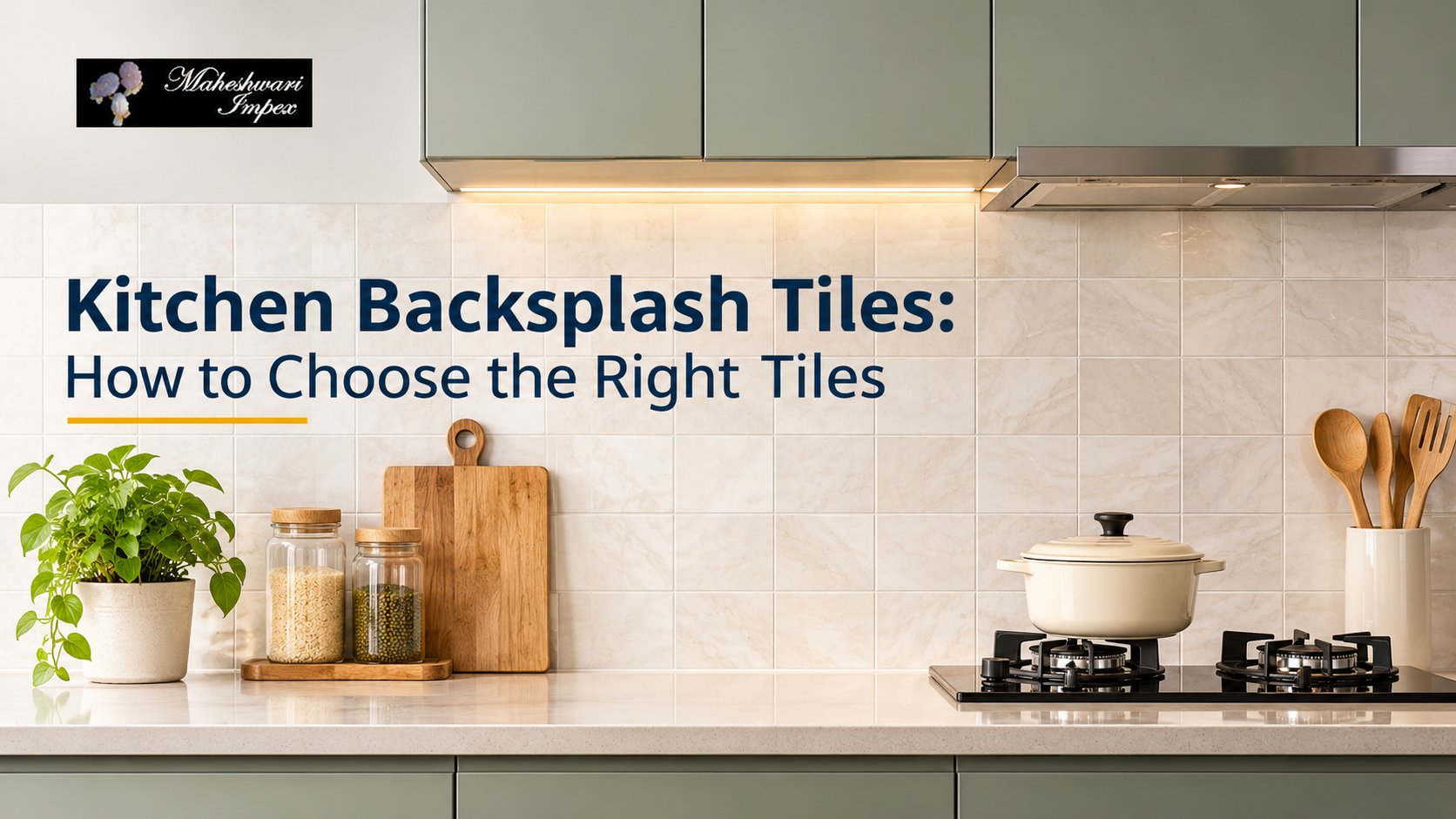
Subway tiles have a simple rectangular shape and are commonly considered for kitchen backsplashes. White, off-white, grey and pastel shades can complement different cabinet colours.
Moroccan Tiles
Moroccan tiles feature decorative geometric patterns. They can introduce multiple colours into a kitchen and work well as an accent on selected wall areas.
Mosaic Tiles
Mosaic tiles are available in different materials, patterns and colour combinations. They work well for smaller decorative areas, including backsplashes behind sinks and cooking spaces.
Glossy Ceramic Tiles
Glossy ceramic wall tiles reflect light and can make kitchen walls appear brighter. White and off-white options are worth considering for kitchens with limited natural light.
Rustic Matt and Wooden-Look Tiles
Rustic matt tiles offer a less reflective appearance, while wooden-look tiles introduce a timber-inspired visual effect. Both can be considered when planning the kitchen floor.
Choose patterns and finishes based on the overall design rather than selecting each tile independently.
How to Choose the Right Grout Colour for Kitchen Tiles
Grout colour can change the overall appearance of a tiled surface. Even with the same tiles, different grout shades can create different visual effects.
Consider these options:
- Matching grout: A grout shade close to the tile colour creates a more continuous appearance.
- Contrasting grout: A darker or lighter grout makes individual tile shapes and layouts more noticeable.
- Neutral grout: Grey and beige grout shades can complement several tile colours, depending on the design.
For example, white subway tiles with white grout create a subtle appearance, while dark grout makes the rectangular tile layout more visible.
Before finalising the grout, check the colour options and confirm the selected product suits the tile material and installation requirements.
Tips for Selecting Kitchen Tile Colours
Before purchasing tiles, spend some time comparing the available options. A few practical checks can help you make a more suitable choice.
- Compare physical samples
Do not depend entirely on photographs or online images. Place actual tile samples beside your cabinets, countertops and flooring.
- Check colours under different lighting
Natural daylight and artificial lighting can affect how a tile colour appears. Observe the samples during the day and under your regular evening lights.
- Balance plain and patterned surfaces
If you select decorative backsplash tiles, consider simpler colours for the remaining surfaces. This helps maintain visual balance.
- Consider the kitchen layout
Look at the complete kitchen rather than focusing on one wall or floor section. The colours should coordinate with the cabinets, appliances and countertops.
- Check the tile finish and suitability
Beyond colour, consider the intended application, surface finish, cleaning requirements and installation specifications. Kitchen wall and floor tiles may have different functional requirements.
- Confirm grout and installation details
Discuss grout colour, tile spacing and installation requirements with your installer before finalising the design.
Explore Kitchen Tiles at Maheshwari Impex
Selecting kitchen tile colours becomes easier when you can compare different designs, patterns and finishes. From simple subway tiles and glossy ceramic wall tiles to decorative Moroccan patterns and different floor tile styles, consider options that complement your kitchen interiors.
Maheshwari Impex offers a collection of kitchen wall tiles, backsplash tiles and floor tiles in different designs, textures, colours and finishes.
Explore the kitchen tiles collection at Maheshwari Impex to compare available options for your kitchen. You can also seek guidance when selecting tiles based on your preferred design, colour combination and application.
Need help choosing the right kitchen tiles? Get in touch with Us to discuss your design preferences and tile requirements.
Conclusion
Choosing suitable kitchen tile colours involves more than selecting an attractive shade. Consider the cabinets, countertops, wall and floor finishes, grout colour and lighting together. Compare different combinations and tile samples before finalising your selection. With careful planning, you can create a kitchen interior where every surface complements the overall design.