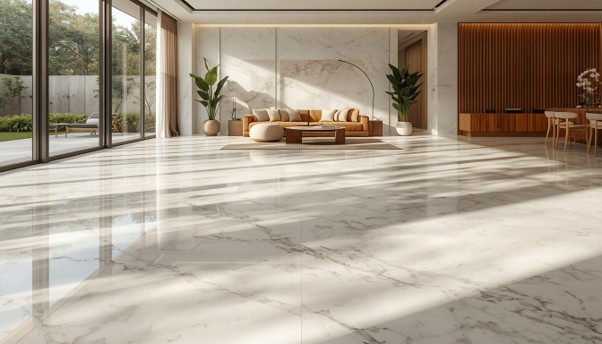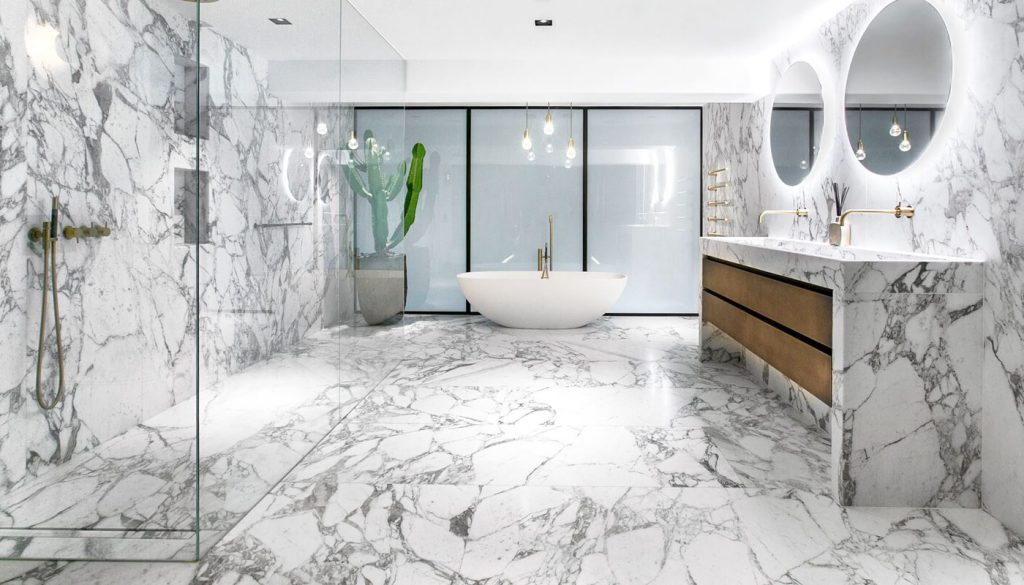
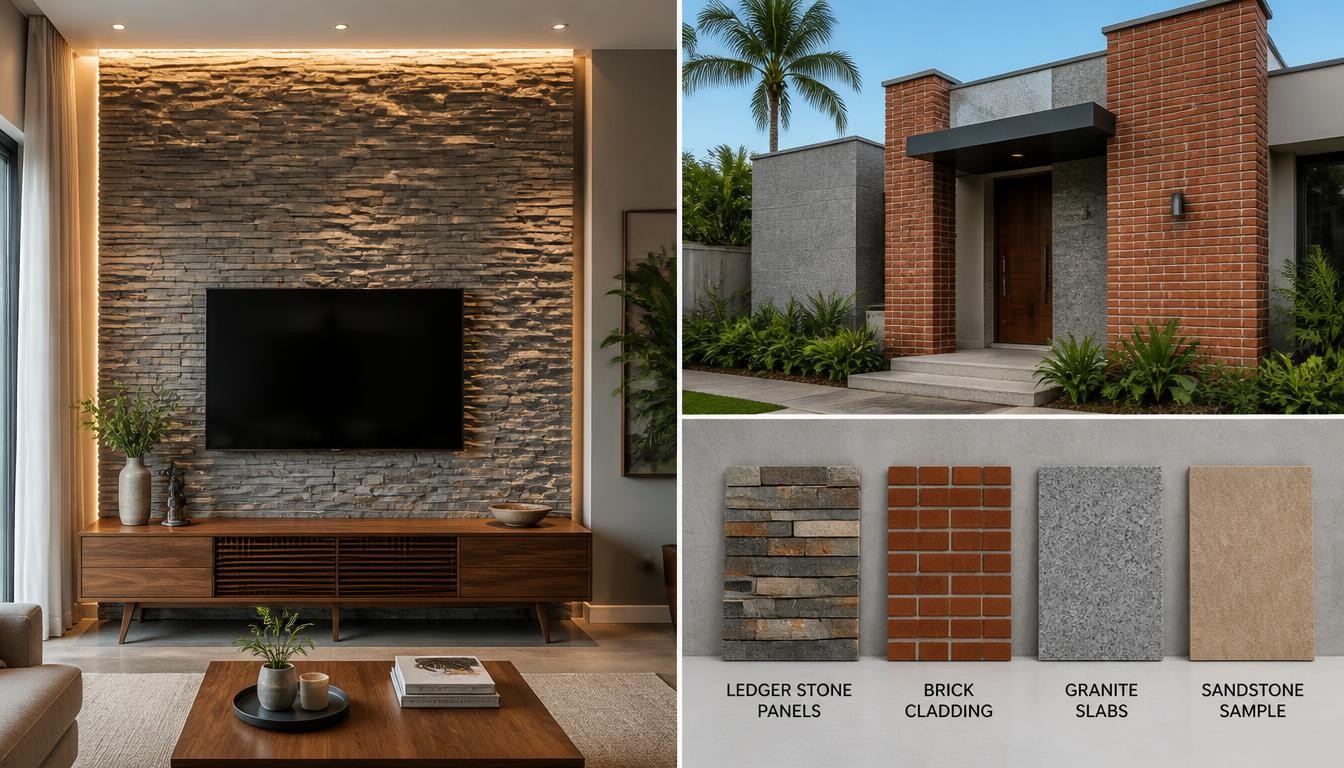
Options include natural stone, brick, stone veneer and manufactured panels. Each has a different appearance, cost and maintenance requirement. The right choice depends on where the wall is located, the finish you want and your project budget.
If you are considering natural stone, you can explore the wall cladding collection at Maheshwari Impex.
Get a Expert Consultation & Price Quote at Maheshwari Impex
Where Is Wall Cladding Used?
Wall cladding is used in homes and commercial buildings to give walls a particular finish. Common applications include:
- House exteriors: Add texture and detail to the front elevation.
- Living rooms: Create a feature wall behind a television or sofa.
- Entrance areas: Give the main entrance a distinctive appearance.
- Boundary walls: Finish compound walls with a selected material.
- Commercial spaces: Add texture to reception areas, offices and showrooms.
- Pillars and outdoor features: Finish selected pillars, garden walls and architectural details.
The material needs to suit its location. A product intended for an indoor feature wall may not be suitable for an exterior wall exposed to rain and sunlight.
What Are the Different Types of Wall Cladding?
Wall cladding comes in several forms. Understanding the differences can help you narrow down your options.
1. Natural Stone Cladding
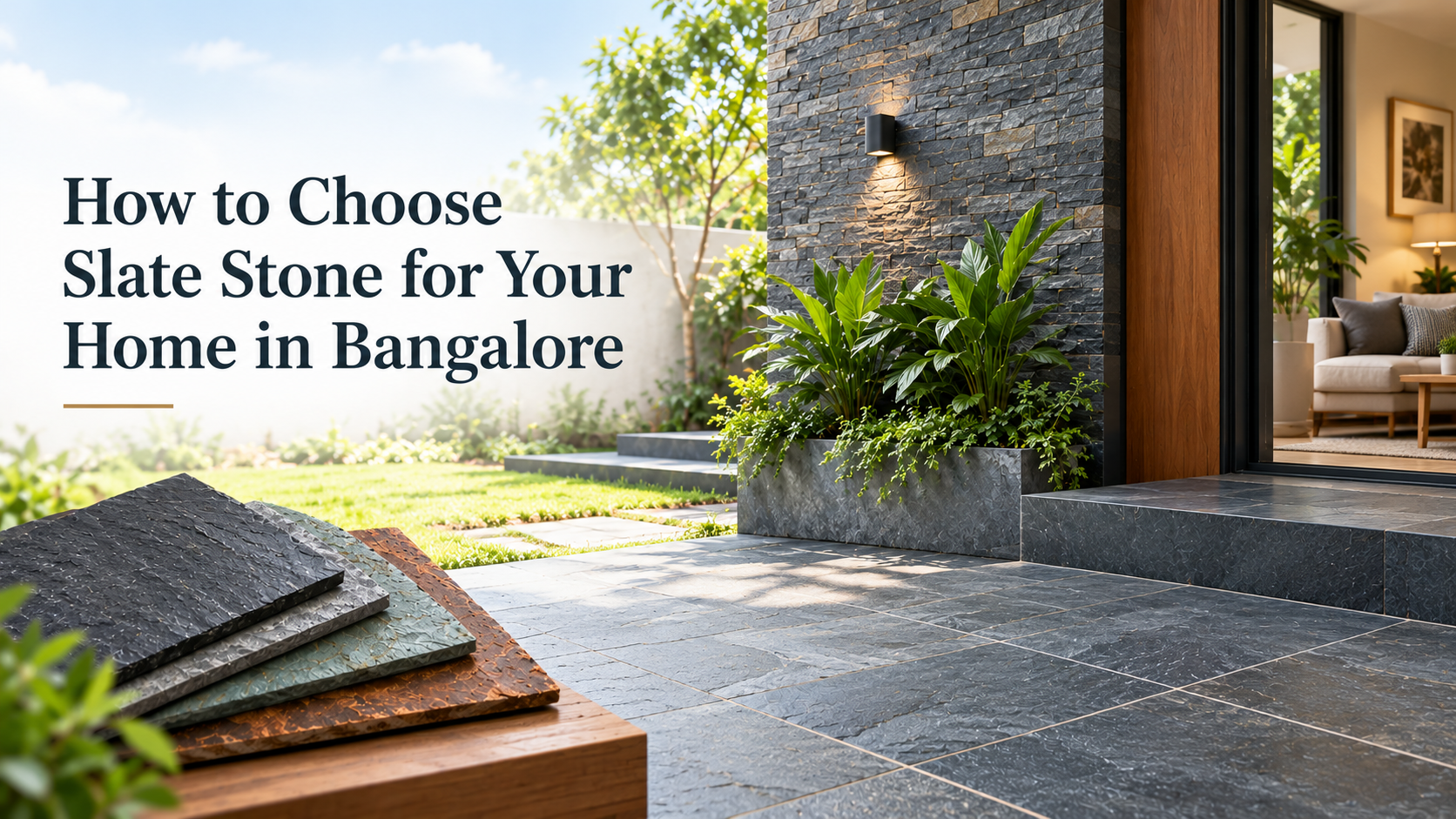
Natural stone cladding uses stone pieces, slabs or panels to cover a wall. Granite, sandstone, slate and laterite are among the materials used for this purpose.
Natural stone varies in colour, grain, and texture, so the finished wall may not look completely uniform. It suits entrance areas, feature walls, and selected exterior applications.
Before choosing a stone, check its weight, thickness, suitability for the location and fixing requirements.
2. Stacking Stone and Ledger Panels
Stacking stone and ledger panels create a layered finish with visible depth. They are often considered for entrance walls, living rooms and selected exterior features.
Check the panel’s composition, weight and installation instructions before buying. Products with similar appearances may have different fixing requirements.
3. Split-Face and Textured Cladding
Split-face cladding has an uneven surface that creates shadows and adds texture to a wall. It can work well where a smooth finish feels too plain.
The surface may collect more dust than a smooth one, so consider how easily you can clean it, especially in exposed areas.
4. Brick Cladding
Brick cladding gives a wall the appearance of exposed brick. Depending on the product, it may use thin brick pieces, facing bricks or manufactured panels.
It suits traditional, rustic, and contemporary designs. The installation method depends on the product and the wall’s condition.
5. Stone Veneer
Stone veneer is a thin stone facing or a manufactured product designed to resemble stone. Some products weigh less than conventional stone pieces, but their composition and performance vary.
Check whether the veneer is natural or manufactured, whether it suits your intended application, and how it should be fixed.
Common Wall Cladding Materials
The material affects the finished wall’s appearance, weight, cost, and maintenance.
| Material | Appearance | What to consider |
| Granite | Distinctive patterns and a solid stone finish | Weight, finish and fixing requirements |
| Sandstone | Earthy colours and visible grain | Porosity, moisture exposure and care |
| Slate | Layered texture and varied tones | Thickness, surface variation and installation |
| Laterite | Rustic appearance and earthy shades | Product quality and suitability for the location |
| Limestone | Subtle colours and a softer stone look | Porosity, exposure and maintenance |
| Stacking stone panels | Raised, layered texture | Panel weight, joints and fixing |
| Brick cladding | Traditional or industrial appearance | Product type, substrate and weather exposure |
| Manufactured panels | Consistent patterns and finishes | Composition and product specifications |
Natural stone can vary from piece to piece. If colour and texture are important to your design, ask to see samples before making a decision.
Browse the natural stone collection at Maheshwari Impex to review the available stone categories.
What Are the Benefits of Wall Cladding?
Wall cladding can transform a building’s appearance and, depending on the material and installation, offer practical benefits.
It Adds Character to a Wall
Stone, brick, and textured panels can add depth to a plain wall. A carefully chosen finish can also complement the building’s existing colours and materials.
It Offers More Design Choices
Cladding comes in different colours, textures, and finishes. You can choose a subtle material that blends with the surroundings or a more noticeable finish for a feature wall.
It Can Help Protect the Wall Surface
Some cladding systems help shield the underlying surface from certain forms of exposure and everyday wear. The level of protection depends on the material and how it’s installed.
Cladding does not automatically make a wall waterproof. Exterior walls may still need appropriate waterproofing, drainage and joint detailing.
It May Reduce the Need for Repainting
Some cladding materials do not require the same repainting routine as painted walls. They may still need cleaning, joint maintenance or repairs.
It Can Suit Different Areas
Depending on the product, cladding can be used on interior feature walls, house elevations, entrance areas and boundary walls. The material and fixing system must be suitable for the intended location.
Wall Cladding Vs Paint, Tiles and Stone Veneer
These finishes serve different purposes. The right choice depends on the appearance you want, the wall’s condition and your budget.
| Feature | Wall cladding | Paint | Wall tiles |
| Appearance | Can add texture and depth | Provides colour and a relatively smooth finish | Available in different colours, patterns and textures |
| Installation | Depends on the material and fixing system | Requires a prepared surface | Requires suitable fixing and careful jointing |
| Maintenance | Varies by material and location | May need repainting over time | Depends on the tile, grout and exposure |
| Design options | Stone, brick, panels and other finishes | Wide choice of colours | Wide choice of sizes and designs |
Wall cladding vs paint: Paint may be enough if you want to change a wall’s colour. Consider cladding if you want a textured surface or the look of stone or brick.
Wall cladding vs tiles: Tiles offer a wide range of finishes. Cladding may suit a project where you prefer a particular stone texture or layered look.
Wall cladding vs stone veneer: Stone veneer is one type of wall-facing material, while wall cladding covers a broader range of materials and systems. Compare the product specifications before deciding.
How Much Does Wall Cladding Cost?
The total cost depends on the material, finish, wall area and installation work required.
Consider these factors when comparing prices:
- Material: Different stones and manufactured products have different prices.
- Size and thickness: Dimensions and finish can affect material and handling costs.
- Wall area: Accurate measurements help estimate the quantity required.
- Wall preparation: Repairs or surface preparation may increase cost.
- Fixing method: Adhesives, anchors and other components affect the installation budget.
- Labour and access: High walls, complex layouts and difficult access can increase labour costs.
- Finishing: Cutting, joints, transportation and wastage may affect the final amount.
Ask whether a quotation covers only the material or includes installation and finishing as well. This makes it easier to compare quotations fairly.
For current product options and pricing, visit the Maheshwari Impex wall cladding collection.
How to Choose the Right Wall Cladding
A material that looks good in a photograph may not suit every wall. Consider these points before you choose.
1. Start with the Location
Decide whether the material is for an indoor feature wall, an exposed exterior, a boundary wall or another area. Exterior applications need products and fixing systems suitable for the weather conditions.
2. Match the Finish to Your Design
Consider the colours and materials already used in the space. Flooring, windows, doors and nearby surfaces can influence how the cladding looks.
For natural stone, review samples where possible. Actual pieces may vary from photographs.
3. Check the Wall and Fixing Requirements
The wall must be able to support the selected material. Assess its condition, strength, and surface preparation requirements before installation.
Heavy stone cladding, especially on elevated exterior walls, may require professionally designed mechanical fixing. The appropriate method depends on the product and site conditions.
4. Set a Project Budget
Consider the total installed cost, including material, preparation, labour, fixing components and finishing.
5. Understand Maintenance Needs
Ask how the surface should be cleaned and whether sealing or other care is recommended. Maintenance requirements vary by material and application.
6. Check the Product Specifications
Confirm that the product is suitable for the intended location. Check its weight, dimensions, substrate requirements, fixing method and exposure limits.
Indoor vs Outdoor Wall Cladding: What Should You Choose?
The wall’s location can change which materials are suitable. Here are two practical examples.
Example 1: A Living Room Feature Wall
Imagine you want to add texture to the wall behind your television. You might compare stacking stone panels, textured stone or a lighter decorative panel.
In this situation, appearance, wall space, furniture placement and ease of cleaning may be the main considerations. Also check the wall’s condition and the chosen product’s fixing requirements.
Example 2: A House Exterior
Now consider a wall that faces rain and direct sunlight. The material must suit outdoor exposure, and the installation must account for moisture, drainage, joints, and secure fixing.
For heavier stone cladding, the wall’s ability to support the material is especially important. A qualified professional can assess the appropriate fixing system for the building.
The main difference: Indoor cladding is often chosen for appearance and ease of maintenance, while exterior cladding must also account for weather exposure and installation details.
How Is Wall Cladding Installed?
The exact process depends on the material and wall, but most installations involve these steps.
- Inspect the wall: Check its condition and whether it can support the cladding.
- Prepare the surface: Complete necessary repairs and follow the product’s preparation instructions.
- Plan the layout: Measure the area and plan cuts, corners and openings.
- Fix the material: Use the specified adhesive, anchors or other fixing system.
- Finish joints and edges: Complete the necessary jointing and weatherproofing details.
- Inspect the work: Check alignment, joints and visible fixing points.
Exterior walls need particular care around windows, edges and places where water may collect. Use a suitable fixing system for heavy or elevated cladding, as determined by a qualified professional.
How Do You Maintain Wall Cladding?
Maintenance depends on the material and where it is installed. A few simple checks can help you spot issues early.
- Remove dust and dirt using a method suitable for the surface.
- Use cleaning products recommended for the material.
- Avoid harsh chemicals or abrasive tools unless the manufacturer confirms they are suitable.
- Check joints, edges and visible fixing points periodically.
- Look for cracks, loose pieces, stains or signs of moisture.
- Use a sealer only when recommended for the particular product and application.
- Repair loose pieces or seal the wall if water begins entering.
If you are unsure how to clean or seal a particular stone, ask the supplier for product-specific guidance.
Questions to Ask Before Buying Wall Cladding
Before placing an order, ask the supplier or installer:
- Is this material suitable for my wall and its weather exposure?
- What are its thickness, weight and dimensions?
- Which fixing method does it require?
- Does it need special cleaning or maintenance?
- Does the quotation include installation and finishing?
- Can I see a sample of the actual material?
- Will the existing wall need repairs or preparation?
Getting these details clear before buying can help you compare products and avoid unexpected work.
Explore Wall Cladding at Maheshwari Impex
Choosing wall cladding is easier when you can compare materials with your project’s requirements.
Visit the Maheshwari Impex wall cladding collection to explore the available options.
Need help choosing a material? Before contacting the team, note three details:
- Location: Is the cladding for an interior wall, house exterior or boundary wall?
- Measurements: What are the approximate wall dimensions?
- Preferred finish: Are you considering natural stone, a layered texture or another finish?
Share these details with Maheshwari Impex to discuss suitable options and request current pricing.
Conclusion
Wall cladding can give a room, entrance or house exterior a different look. Natural stone, brick, panels and veneer each offer their own appearance, cost and maintenance requirements.
Start by deciding where the material will be used. Then compare the finish, wall condition, fixing requirements and total installed cost. Taking these steps before buying can help you choose an option that suits your project.